The joints, shape and texture of the mouthpiece can greatly influence how the snaffle bit works in the mouth, plus the horse's reaction to it.
Variations or combinations of different styles of mouthpieces can increase or decrease the intensity of pressure in the mouth, whilst also encouraging the desired response from the horse. It can also determine which part of the mouth the bit will predominately work on. Generally thicker mouthpieces are deemed the mildest. However those with a large tongue or low palate will have limited room in their mouth and may find it to be uncomfortable to wear.
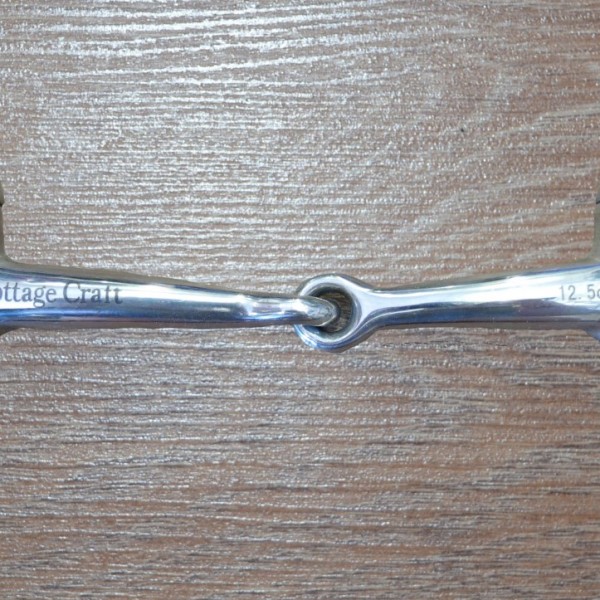
A single joint creates a nutcracker action in the horse’s mouth by closing on the tongue, whilst applying pressure directly onto the bars.
Horses may resist the pressure this bit applies in the mouth.
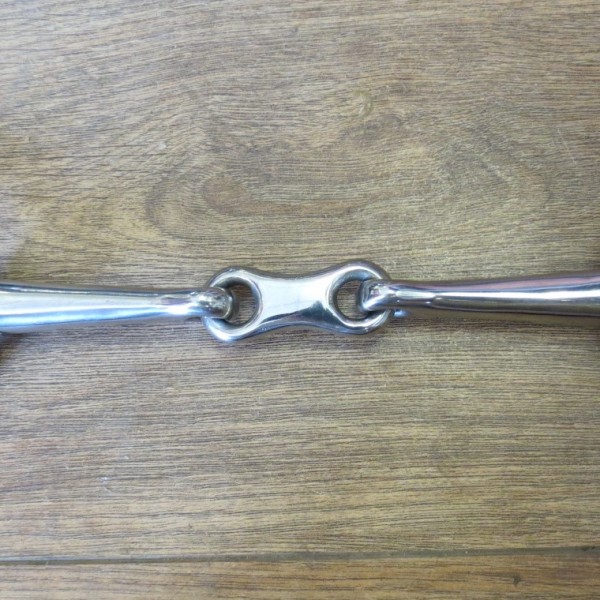
The double joint (French link) is considered milder than the nutcracker action as it lies flatter on the horse’s tongue, placing less pressure onto the bars.
This flexible mouthpiece discourages the horse from leaning and fixing their jaw against the bit.
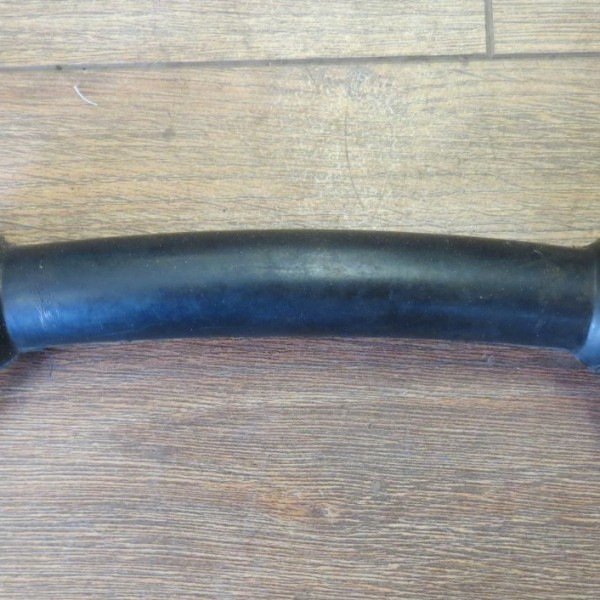
The straight bar/mullen mouth is the mildest form of bit and is commonly used as a starter bit for young horses.
It places more pressure onto the tongue than on the bars, and is often curved (mullen mouth) to create additional room for the tongue.
Horses may lean against or resist this type of mouthpiece. It is not generally used as the horse progresses and advances in their training, this is due to its limited capacity for the rider to refine their aids.
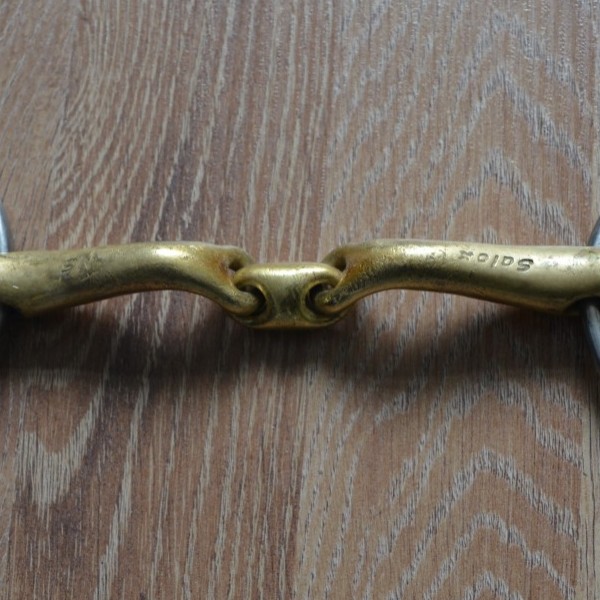
The arms of the mouthpiece are arched in shape, usually combined with a link in the centre. Curved arms allow more room for the tongue, whilst applying less pressure on the bars.
This bit offers comfort in the horse’s mouth, and is also good for those with a large tongue.
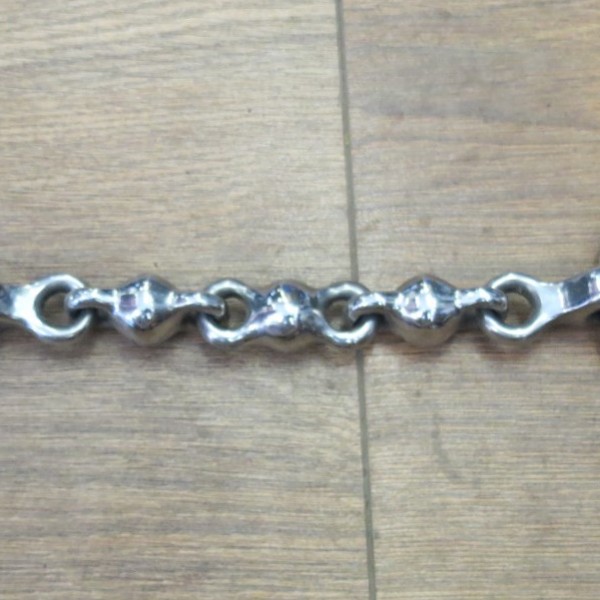
The entire mouthpiece is made up of continual joints.
Multiple joints creates a constant movement in the horse’s mouth helping to prevent them leaning against the bit.
Used for strong horse’s who fix their jaw against the bit.
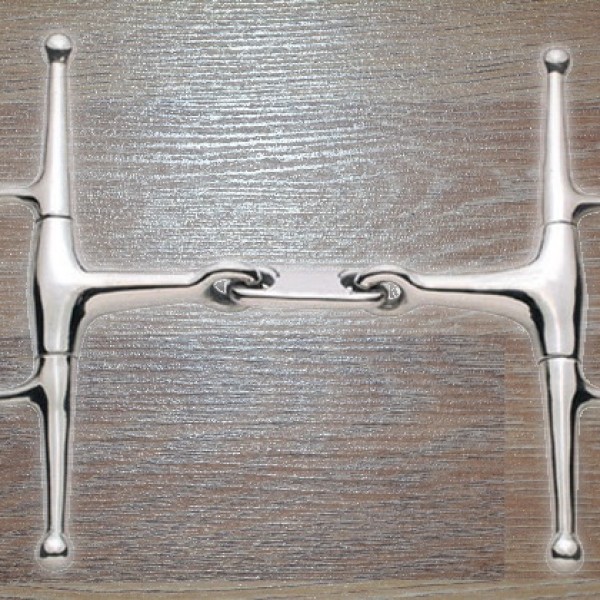
Also referred to as the “Dr. Bristol”, the lozenge in the centre of the mouthpiece is set on at an angle to apply sharp, constant pressure on the tongue and roof of mouth.
This type of mouthpiece should be avoided.
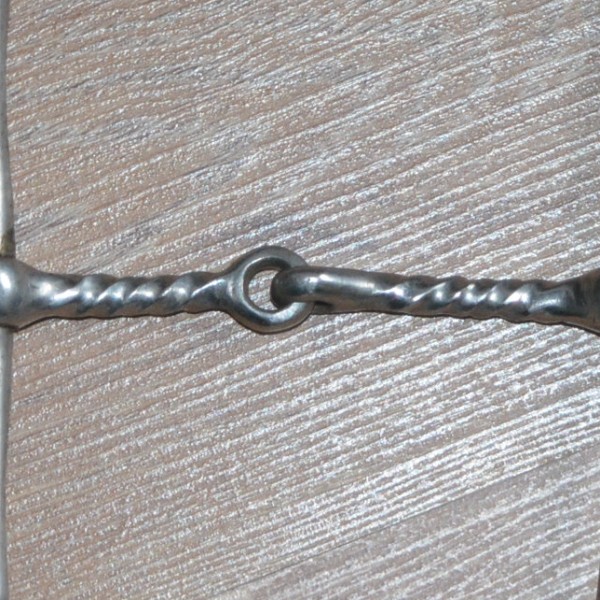
The arms of the mouthpiece are textured to increase the pressure on the tongue, bars and corners of the mouth. It may include a single or double joint in the centre.
It is used to provide the rider with greater control if the horse is strong or resistant against the bit.
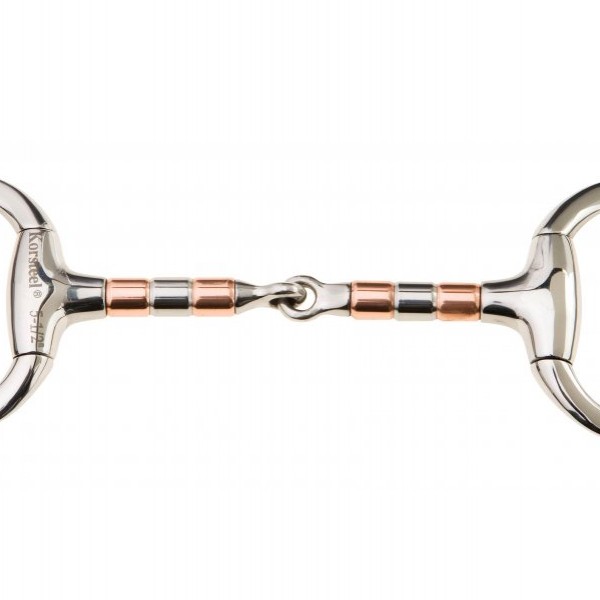
This mouthpiece has movable, rolling rings throughout which are usually made from copper.
Both the copper and rollers are designed to create activity on the tongue, thus helping to encourage a softer mouth and prevent the horse leaning against the bit.